-

Between Home and Elsewhere: Domestication and foreignization in translation
Every translator knows the feeling: you hit a sentence and think, Do I make this sound like it was written here, or do I let it sound like it travelled? For EN–FR translators, project managers and revisers, that question is where readability, ethics, and cultural risk collide. That tension sits…
-
When Legal Systems Don’t Match
This article is based on personal notes, professional experience, and research in comparative legal translation. It is offered as a supportive resource for fellow translators, revisers, and multilingual professionals navigating legal systems. You’re welcome to share or reference this work — with proper attribution to Words We Trust. Please note: this content…
-

What Clients Should Know Before Asking for Legal Translation
Legal translation isn’t only a service. It’s legal infrastructure. It connects jurisdictions, enforces obligations across borders, and upholds the integrity of international frameworks. At Words We Trust, we work with lawyers, NGOs, international institutions, and compliance teams to ensure their documents are translated with clarity, precision, and legal integrity. Here’s…
-
Working With a Translator: The power of retainers
Part of the series “Working With a Translator: A Guide for Clients” Why a retainer? In today’s fast-paced global ecosystem, language is not just a medium—it’s your frontline asset. Whether you’re shaping policies, launching campaigns, managing legal disclosures, or rolling out humanitarian assessments, clarity across languages isn’t optional. It’s fundamental.…
-
Working With a Translator: More Than Polish
Part of the series “Working With a Translator: A Guide for Clients” What is proofreading really? Proofreading is often misunderstood as a simple spellcheck. But at Words We Trust, we know it’s far more than that. ✅ It’s the final safeguard before your content reaches the world.✅ It’s the difference…
-
It’s Never Just Translation
Part of the series “Working With a Translator: A Guide for Clients” Translation is often seen as a mechanical act: a message in one language becomes a message in another. But for professionals who live and breathe the craft, it’s anything but simple. At Words We Trust, we don’t just…
-
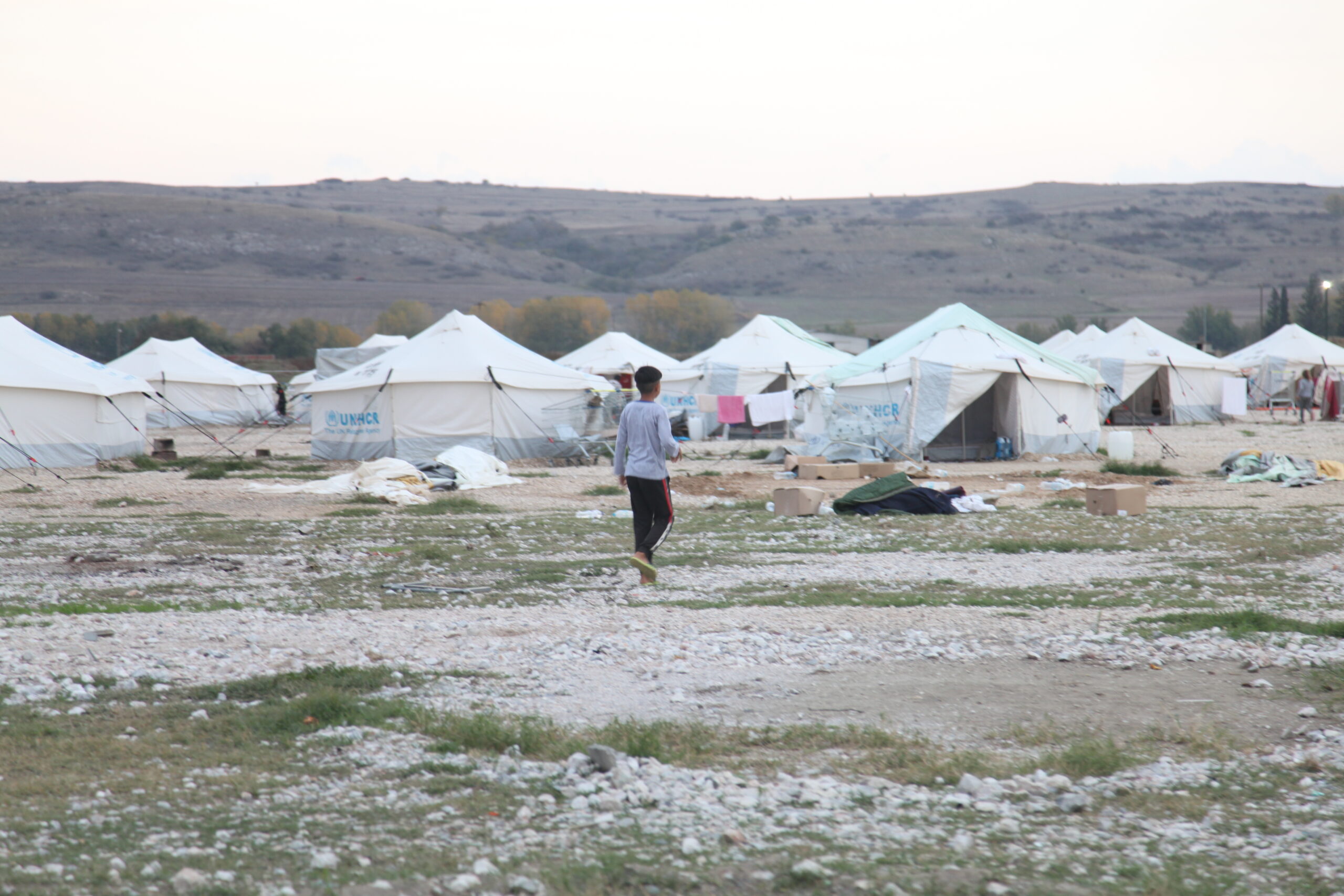
Translating crisis communications : to AI or not to AI
As wars and climate-driven disasters displace millions, speed is everything. Humanitarian responders are turning to AI-powered translation tools for rapid, multilingual crisis communication, broadcasting evacuation orders, medical guidance, and aid instructions across linguistic divides in seconds. But if speed is the vehicle, what/who, exactly, is steering? Because in high-stakes scenarios where…
-

Migration Regulation Updates: What Translators Need to Know
(Last updated: March 2026) The global migration landscape demands precision and understanding. And humanitarian translators stand at a critical intersection, tasked with ensuring clarity and accuracy in documents that directly impact lives. From interpreting complex legal frameworks to conveying urgent needs, our work shapes access to vital resources and protection.…
-

Translating for accessibility and inclusion
Language shapes how we see the world and holds the power to foster inclusion, amplify voices, and break down barriers. For LSPs, translators and revisers, this responsibility takes on greater significance when addressing sensitive topics like disability. Beyond political correctness, it’s about preserving dignity, promoting understanding, and ensuring equitable access to…
